
Introduction :
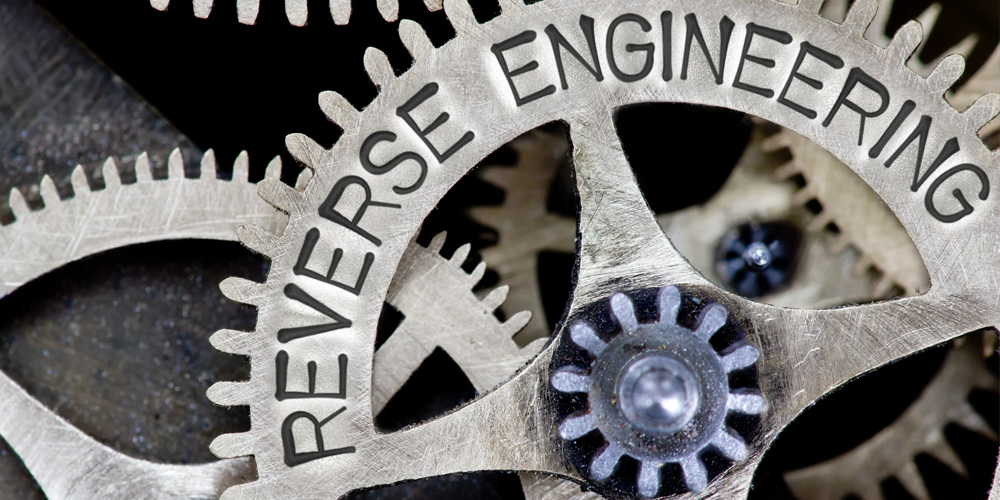
In many industries, original design data may be unavailable, outdated, or insufficient. Reverse engineering bridges this gap by recreating accurate digital models from physical objects, enabling redesign, improvement, and innovation.
The Reverse Engineering Process :
Reverse engineering involves several structured steps:
- Data Capture: Using laser or 3D scanning to collect geometry.
- Point Cloud Processing: Cleaning and aligning scan data.
- 3D Modeling: Converting scan data into CAD models.
- Design Analysis: Understanding functionality and structure.
- Optimization: Improving performance and manufacturability.
Key Advantages :
- Ability to reproduce legacy or worn-out components
- Reduced dependency on original drawings or OEM data
- Faster product development cycles
- Enhanced product performance through redesign
- Cost savings in tooling and prototyping
Why Reverse Engineering is Essential :
It allows companies to innovate quickly without starting from scratch. It also helps in analyzing competitor products and improving existing designs to meet modern standards.
Challenges in Reverse Engineering :
- Complex geometries require advanced modeling expertise
- Data accuracy depends on scanning quality
- Legal considerations regarding intellectual property
Conclusion :
Reverse engineering is a strategic tool for innovation, enabling businesses to recreate, improve, and optimize products while saving time and cost.



Leave a Reply
Want to join the discussion?Feel free to contribute!